


A business spends $8,000 a month on Google Ads. Clicks are coming in. Leads are decent. But growth has flatlined, and pouring more budget in isn't moving the needle. A different business spends the same amount on Meta Ads. The videos look great. Engagement is solid. But nobody is converting and the pipeline is empty.
Both are doing the marketing right. Both are solving the wrong problem.
The first business has maxed out the people already searching for what they sell. They're capturing demand just fine. What they need is to create more of it. The second business is generating plenty of awareness, but they're not showing up where people go when they're actually ready to buy. They're creating demand they can't capture.
That distinction, demand generation vs. demand capture, is the strategic question that should drive your entire digital marketing strategy. Every channel and budget decision falls into one of those two buckets. Most businesses are overinvesting in one while starving the other, then blaming the results on the wrong thing entirely.
What demand capture actually means
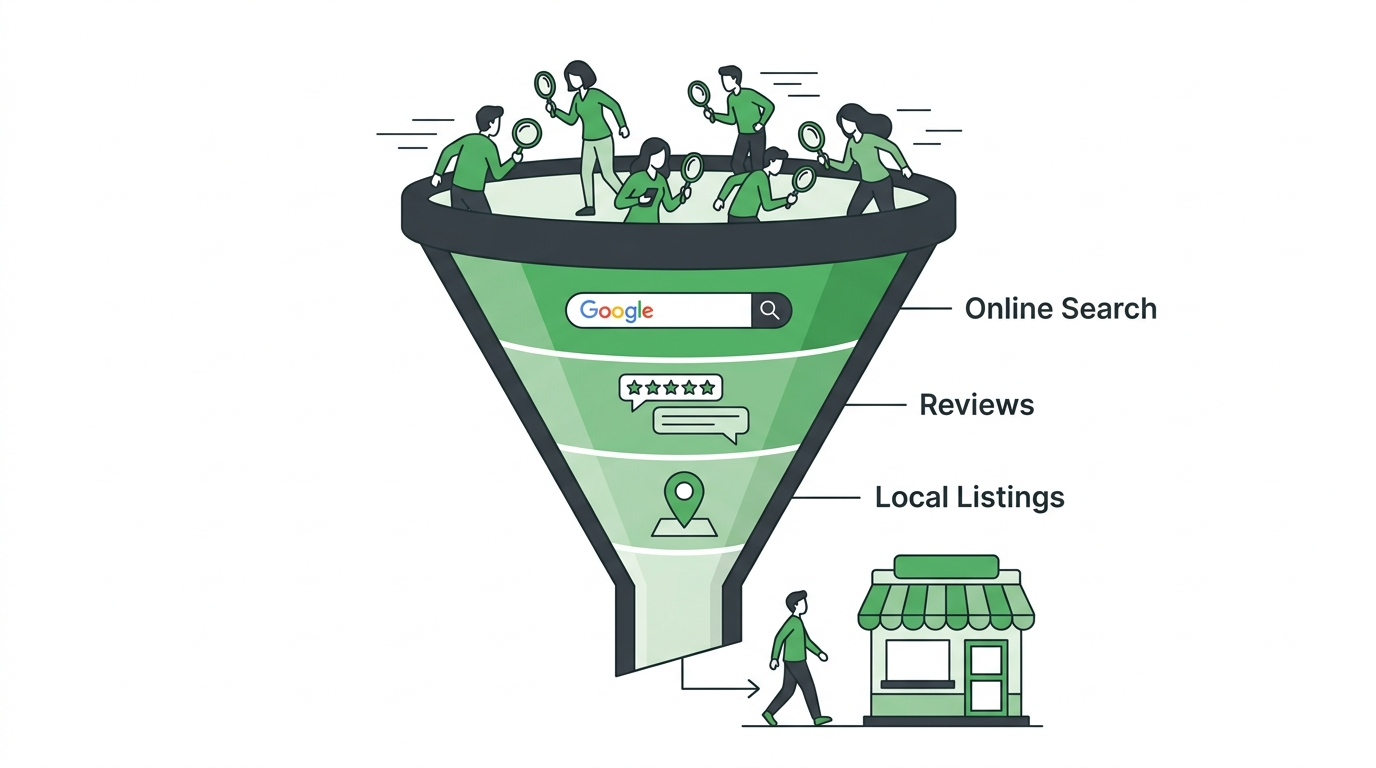
Demand capture is marketing aimed at people who already know they have a problem and are actively looking for a solution. They're on Google. They're reading reviews. They're comparing options and ready to talk to someone.
The channels that work for demand capture are the ones that meet people mid-search: Google Search Ads, SEO, Google Local Services Ads, Yelp, review platforms, comparison sites. These channels don't create interest. They intercept it.
When someone types "emergency plumber near me" into Google at 11pm, they don't need to be convinced that plumbing matters. They need to find someone who can show up. That's demand capture at its simplest.
The advantage of demand capture is that the intent is already there. You're not persuading anyone to care. You're just making sure they find you instead of your competitor. The cost per lead tends to be predictable, the sales cycle is shorter, and the path from click to customer is relatively straight.
The limitation is that you can only capture demand that exists. If nobody is searching for what you sell, or if search volume is low, demand capture channels will never scale your business no matter how much you spend on them.
What demand generation actually means
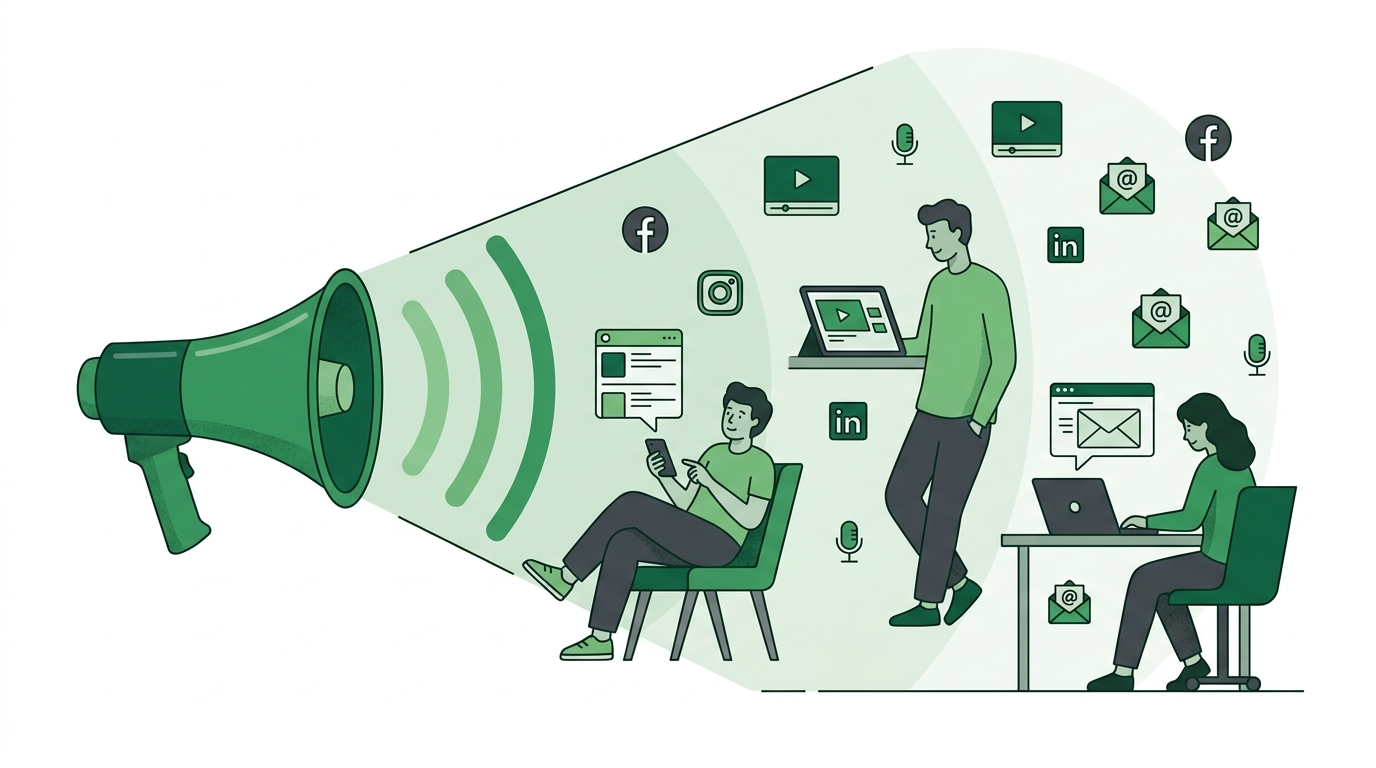
Demand generation is marketing aimed at people who don't know they need you yet. Maybe they've never heard of your product category. Maybe they have the problem you solve but haven't gotten around to fixing it. Either way, they're not searching for you.
Your job with demand generation is to get in front of these people and stay there long enough that when they do enter the market, you're already on their shortlist.
The channels that work best here are the ones that reach people before they're searching. Paid social (Meta, LinkedIn, TikTok). Video ads. YouTube. Podcasts. Content marketing. Email marketing. Sponsorships. PR. These channels don't wait for someone to raise their hand. They put your message in front of people based on who they are, not what they're currently searching for.
Research from the LinkedIn B2B Institute found that at any given time, only about 5% of potential buyers in a category are actively in the market. The other 95% aren't searching, aren't comparing, aren't ready. But they will be eventually. And when they are, the data shows that the majority already have a shortlist of brands in mind before they ever type a search query.
That shortlist gets built during the 95% phase, when people aren't buying. It gets built by the brands that showed up consistently before the purchase window opened. That's what demand generation does.
How to tell which one your business needs
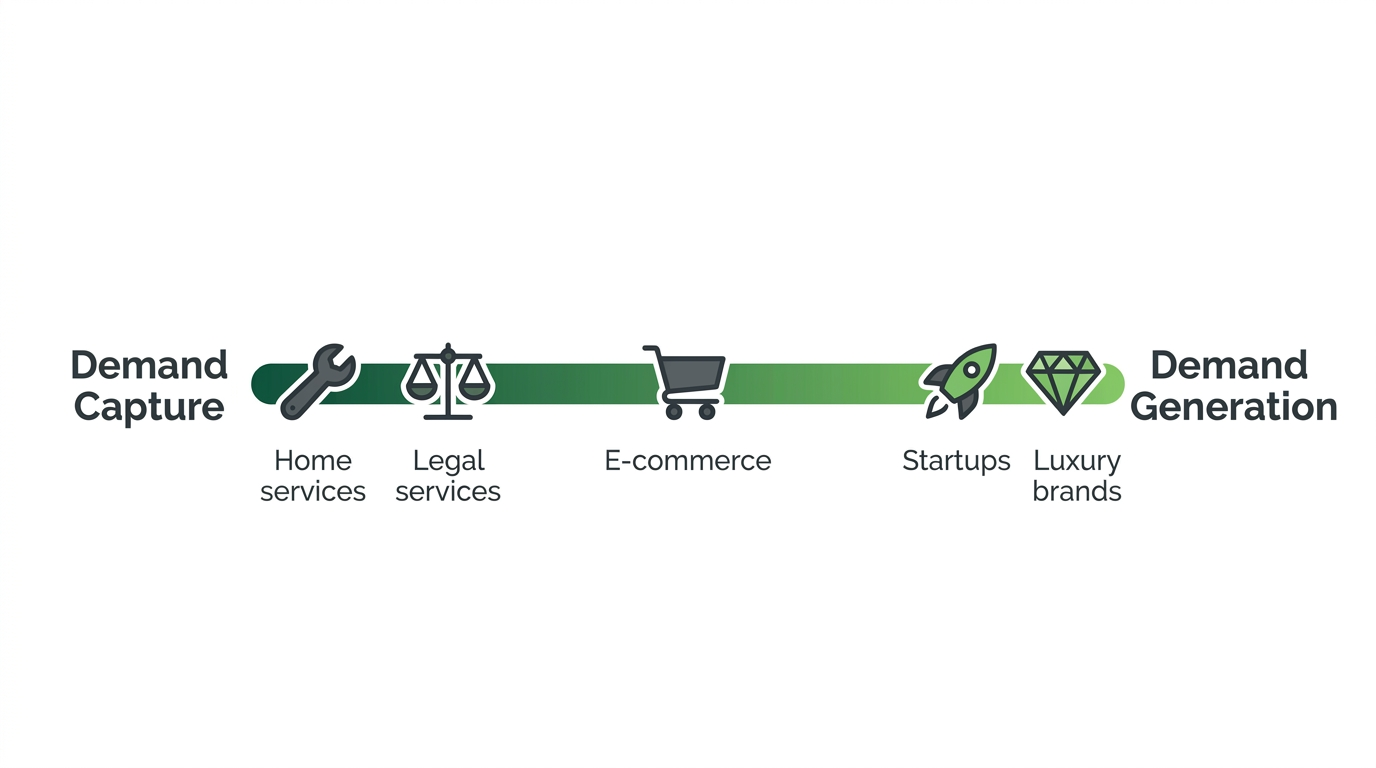
This isn't always obvious, but two questions usually sort it out.
First: are people already searching for what you sell? Go to Google and type in the thing you do, plus your city or service area. Look at the results. Are there ads? Are there local listings? Are competitors showing up? If yes, there is existing demand and you need to be capturing it.
Second: do people need to be educated before they'll buy? If your product is new, your category is unfamiliar, or your audience doesn't yet realize they have the problem you solve, then search volume alone won't grow your business. You need to generate demand first.
Most businesses need both. The ratio is what changes.
Businesses that lean heavily toward demand capture
Some businesses operate in categories where demand already exists in high volume. People know they need the thing. They search for the thing. Your job is to be the one they find.
Home services are the textbook case. Nobody wakes up and decides they want to learn about HVAC repair. They wake up and their furnace is broken. They search, they call, they hire. Plumbers, electricians, roofers, pest control, auto repair. The buying trigger is an immediate need, not a slow realization.
Legal services work the same way for most practice areas. Someone gets a DUI, gets injured, needs a divorce. They search for a lawyer. They're not browsing Instagram hoping to discover a great attorney.
Medical and dental practices in most specialties. Emergency services, general practitioners, specialists who take referrals. Patients search when they need care.
B2B services with established categories. If you're an accounting firm, an IT services company, or a commercial cleaning provider, your buyers know these services exist. They search when they need them.
For these businesses, the priority is showing up where people are already looking. Google Ads, SEO, local search optimization, and review management should be the foundation. Demand generation plays a supporting role, mostly for staying top of mind with past customers and building referral networks.
Businesses that lean heavily toward demand generation
Other businesses sell products or services that people don't search for because they don't know they need them yet, or the category is too new for meaningful search volume to exist.
Direct-to-consumer brands launching new products. If you've created a product that solves a problem people didn't know they had, nobody is Googling it. You need paid social, influencer partnerships, video, and content to make people aware. Think about how brands like Dollar Shave Club or Casper created entirely new buying behaviors through ads and content, not by waiting for people to search "mattress in a box."
SaaS companies and tech startups. Especially early stage, when the product category might not have a name yet. If your solution is genuinely new, you can't rely on search. You need content, webinars, social proof, and community building to generate demand that doesn't exist on its own.
Luxury and lifestyle brands. People don't search for a $400 candle. They discover it on social media, see it in someone's home, read about it in a publication. Desire is created, not captured.
Professional services launching a new offering. An agency that adds a new service line, a consultancy entering a new vertical. Nobody is searching for the specific thing you now offer if nobody knows you offer it.
For these businesses, paid social, content marketing, video, and email need to carry the weight. Search campaigns might supplement, but they won't be the growth engine because the search volume isn't there to capture.
The businesses that need both (and how to balance them)
Most businesses sit somewhere in the middle, and that's where the budgeting gets interesting.
A SaaS company with an established category needs demand capture (search ads, SEO, review sites) to grab the 5% who are actively evaluating tools. But it also needs demand generation (content, social, events) to build brand with the 95% who aren't looking yet, so it's on the shortlist when they eventually are.
A home services company that wants to grow beyond referrals already captures demand through search. But it might use video ads on Meta or YouTube to build brand recognition in its service area, so that when someone's furnace breaks, the company's name is already familiar.
An ecommerce brand with a mix of commodity and unique products captures demand on Google Shopping for products people search for, and generates demand on Instagram and TikTok for products people need to discover.
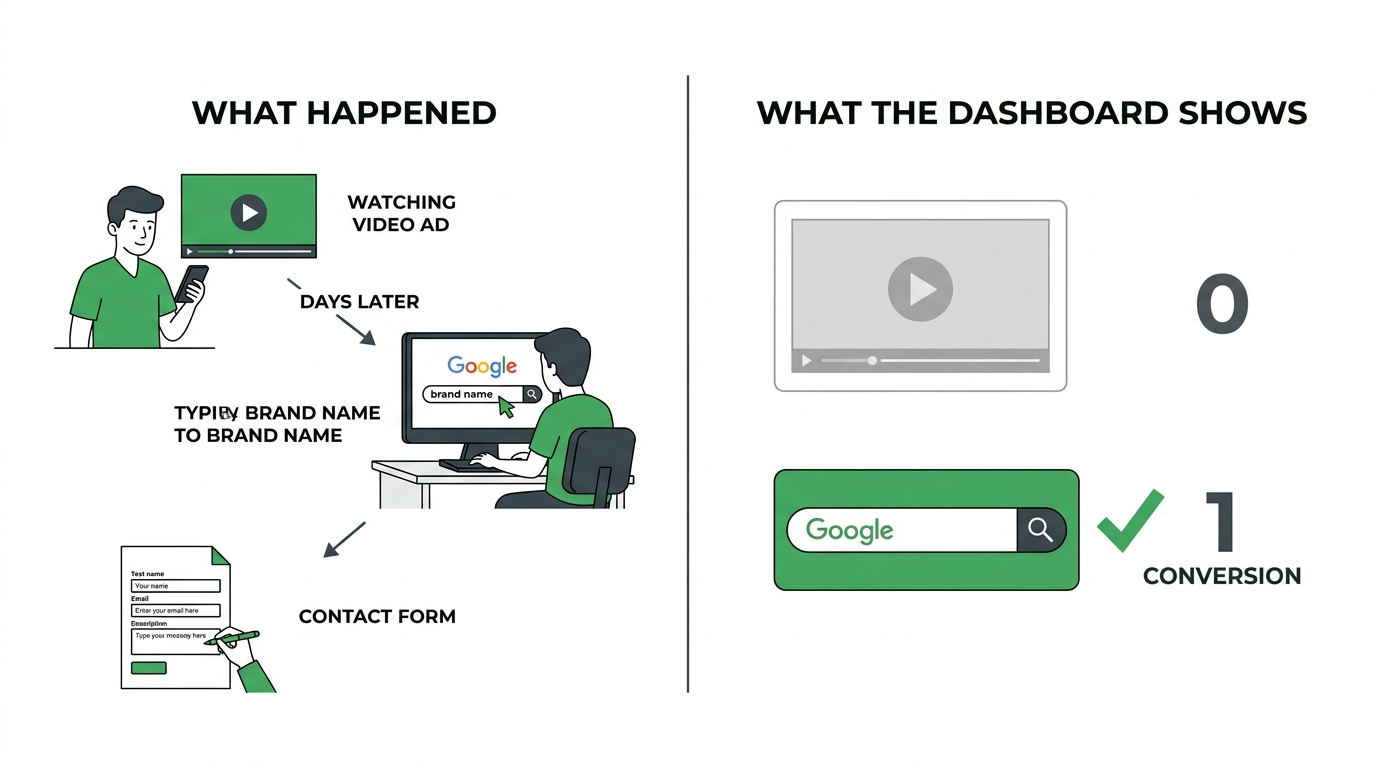
The common mistake is spending your entire budget on demand capture because the ROI is easier to track. Search ads give you clean attribution. You can see the click, the lead, the sale. Demand generation is messier. Someone sees your video ad, doesn't click, then searches your brand name two months later. That conversion shows up in your Google Ads report, not your Meta report. The demand gen channel did the work, but the capture channel gets the credit.
That attribution gap is why so many businesses underfund demand generation. They can't see its impact in their dashboards, so they assume it's not working. The businesses that invest in both keep growing because they're building future demand while capturing what's already there.
Common mistakes and how to avoid them
We see the same handful of mistakes across almost every account we audit.
Running brand awareness campaigns on Google Search is one of the biggest. Search is a demand capture channel. People there are looking for something specific. If you're buying broad keywords hoping to "build awareness," you're paying premium CPC prices for a job that paid social does better and cheaper.
The opposite version is just as common: running direct response campaigns on organic social. Posting "call us today for a free quote" on your company Facebook page to an audience of 200 followers is not demand generation. Organic social builds trust over time. It's not a lead gen machine unless you're investing in content that actually earns attention.
Then there's spending 100% of budget on demand capture and wondering why growth is flat. If you've maxed out the available search volume in your market and your cost per lead keeps climbing, you've hit the ceiling. Adding more budget to Google Ads won't create demand that doesn't exist. You need channels that create new demand so there's more to capture.
Another one: expecting demand generation to convert like demand capture. Demand gen campaigns will always have lower immediate conversion rates than search ads. That's by design. You're talking to people who aren't ready yet. Judging your Meta awareness campaign by this month's cost per lead is like judging a billboard by how many people pulled over and called you while driving past it. The metric that matters is whether your brand search volume, direct traffic, and inbound inquiries increase over the next quarter.
And finally, ignoring the channels you already have. Your email list is a demand generation asset. Your blog is a demand generation asset. Your Google Business Profile reviews are a demand capture asset. Before you add new channels, make sure you're actually using the ones sitting in front of you.
A rough framework for getting your mix right
If you're spending less than $5,000/month on marketing, focus almost entirely on demand capture. Get your Google Ads running profitably, get your SEO foundation in place, make sure your Google Business Profile is solid. You need revenue now, and capture channels deliver it faster.
If you're spending $5,000-$15,000/month, start allocating 20-30% toward demand generation. Layer in paid social, invest in content, build your email list. Keep capture as the foundation but start building the pipeline for future growth.
If you're spending $15,000+/month, move toward a 50/50 or even 60/40 split favoring demand generation. At this budget level, you've likely captured most of the available search demand. Growth comes from expanding the market, not from fighting over the same pool of active searchers.
These aren't hard rules. Every business is different. But they're a reasonable starting point.
The question worth asking
Next time you're reviewing your marketing budget or talking to your agency, ask one question: are we trying to capture demand that already exists, or create demand that doesn't?
If you're not sure, or if you suspect the mix is off, schedule a free consult with our team. We'll look at what you're running, where the gaps are, and whether your budget is pointed at the right problem.
