


The Day Google Stopped Being Everyone's First Choice
Last month, while helping a client analyze their lead sources, we discovered something that made us completely rethink our marketing approach. Their biggest revenue generator wasn't coming from Google Ads or SEO—it was from TikTok.
The client? A 45-year-old HVAC contractor who had never even downloaded TikTok.
His customers were Gen Z homeowners discovering his business through short-form videos about home maintenance, even though he had no idea the platform existed. Meanwhile, his Google Ads budget was primarily reaching Baby Boomers who weren't converting at nearly the same rate.
This discovery sent us down a rabbit hole of research that completely changed how we approach digital marketing strategies. What we found will probably surprise you: search behavior has become generational, and most businesses are marketing to the wrong places.
The Numbers That Should Scare (Or Excite) You
Before we dive into strategies, let's look at the data that's reshaping digital marketing:
The Search Revolution in Numbers
- 53% of Gen Z users now turn to TikTok, Reddit, or YouTube before Google
- Only 64% of Gen Z use search engines for brand discovery, compared to 94% of Baby Boomers
- 46% of Gen Z adults only or primarily use social media for search
- 24% of Americans now use social platforms as their primary search tool
The Money Trail
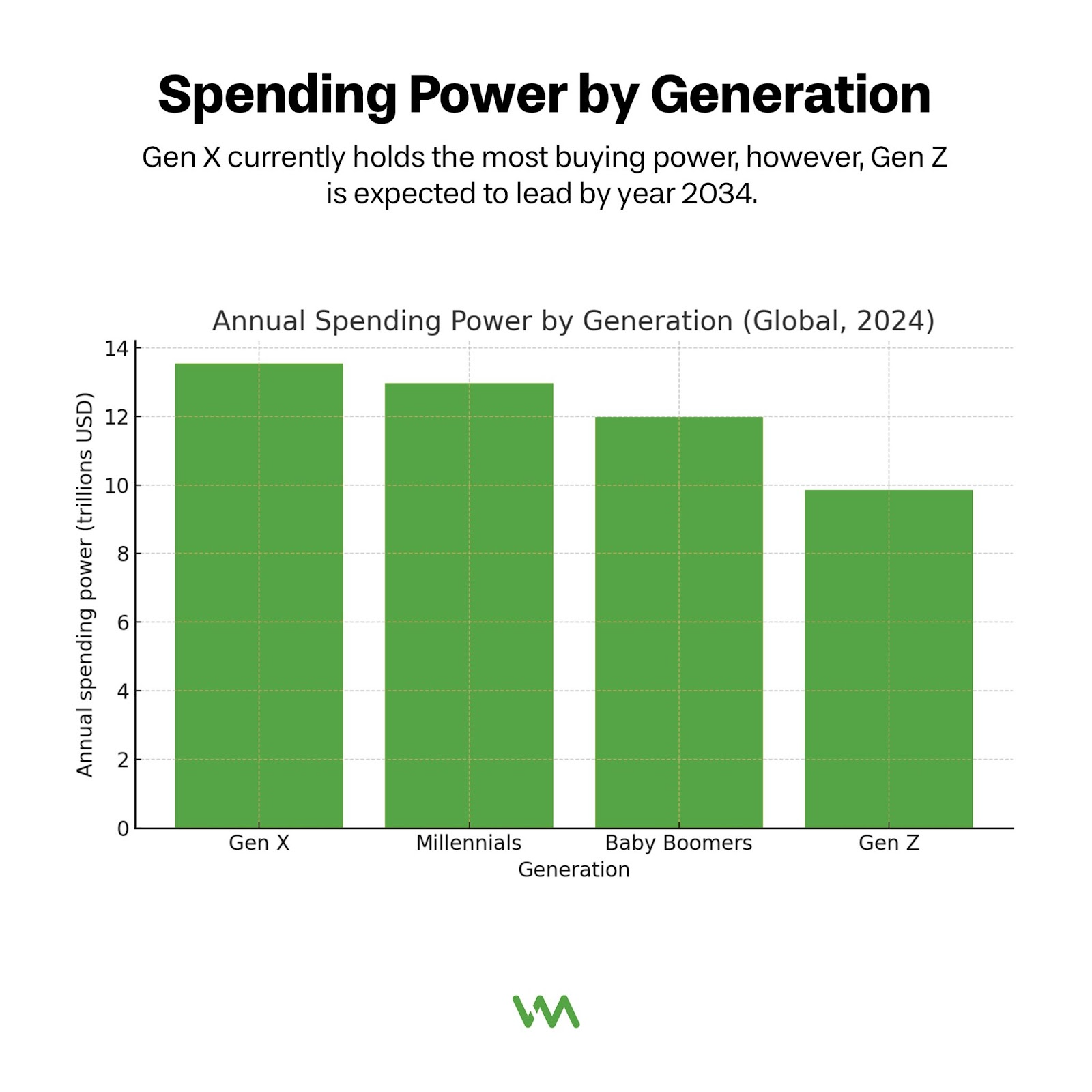
Source: https://www.visualcapitalist.com/visualized-global-spending-power-by-generation/
Here's what really matters—the spending power:
- Gen Z (Ages 13-28): $9.85 trillion annual spend globally
- Millennials (Ages 29-44): $12.96 trillion annual spend globally
- Gen X (Ages 45-60): $13.54 trillion annual spend
- Baby Boomers (60+): $11.98 trillion annual spend
What This Means for Your Business
If you're still putting 80% of your digital marketing budget into Google Ads and Facebook, you're probably missing entire generations of potential customers. Or worse—you're paying premium prices to reach the wrong people.
How to Identify Your Target Generation(s)
Before you can adjust your marketing strategy, you need to know who you're actually trying to reach. Here's our framework for identifying your target generations:
Step 1: Analyze Your Current Customer Base
Look at your existing customers and identify patterns:
Age Demographics
- What's the average age of your highest-value customers?
- Which age groups have the highest lifetime value?
- Who converts at the highest rate?
Purchase Behavior
- How do different age groups typically find you?
- What's the buying journey for each generation?
- Where do your repeat customers come from?
Step 2: Consider Your Business Type
Different industries naturally attract different generations:
Gen Z-Heavy Industries:
- Fashion and beauty
- Technology and gaming
- Sustainable/eco-friendly products
- Food delivery and quick services
Millennial-Heavy Industries:
- Real estate and home services
- Professional services
- Family-oriented businesses
- Experience-based services (travel, dining)
Gen X-Heavy Industries:
- Financial services
- Healthcare
- Home improvement
- Luxury goods and services
Baby Boomer-Heavy Industries:
- Healthcare and wellness
- Insurance
- Travel and leisure
- Traditional retail
Step 3: Define Your Primary and Secondary Targets
Most businesses should focus on 2-3 generations maximum. Trying to appeal to everyone usually means reaching no one effectively.
- Primary Target (60-70% of marketing budget): Your highest-value customers
- Secondary Target (20-30% of marketing budget): Your growth opportunity
- Tertiary Target (10% of marketing budget): Maintenance or experimental
Generation-Specific Marketing Strategies
Now for the practical stuff—how to actually reach each generation where they're searching.
Gen Z (Ages 13-28): The Social-First Searchers
Their Search Behavior
41% of users use TikTok for search, and they're 25% less likely to use Google for searches compared to Gen X. When they do search, 80% use their phones.
Key Platforms:
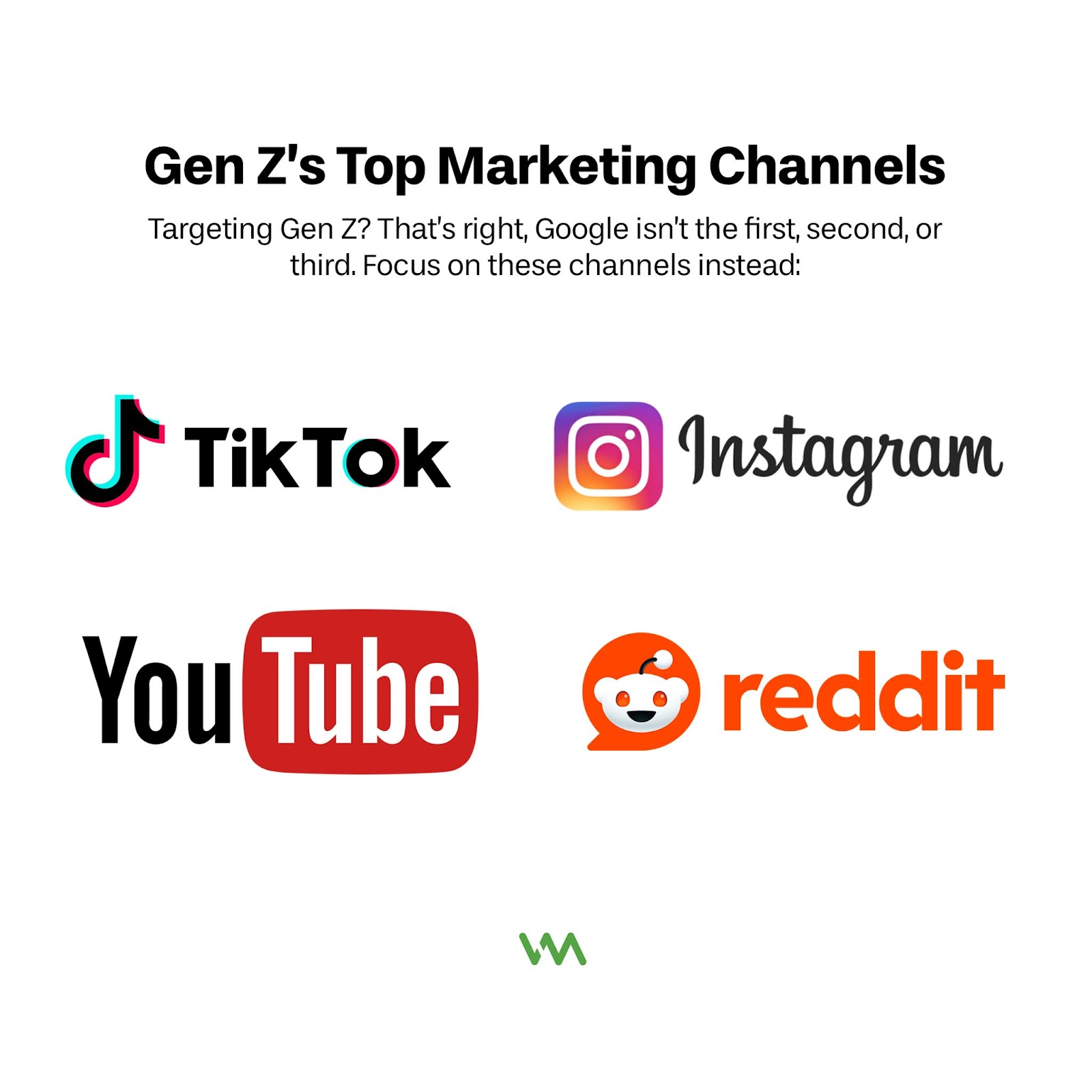
- TikTok - Used as a search engine for tutorials, reviews, and recommendations
- Instagram - 67% prefer Instagram for local business searches
- YouTube - For detailed reviews and how-to content
- Reddit - For authentic opinions and community validation
Marketing Strategy for Gen Z
Budget Allocation:
- 40% TikTok content creation and advertising
- 30% Instagram marketing (Reels, Stories, Shopping)
- 15% YouTube Shorts and content
- 10% Google Ads (branded searches only)
- 5% Reddit community engagement
Content Strategy:
- Authenticity Over Polish: Create UGC-style content that looks native to the platform
- Video-First: 66% of consumers trust video reviews over text
- Trend Participation: Jump on relevant trends quickly
- Mobile Optimization: Everything must work perfectly on mobile
Practical Tactics:
- Partner with micro-influencers (10K-100K followers)
- Create searchable content with trending hashtags
- Use TikTok and Instagram Shopping features
- Respond quickly to comments and DMs
- Share behind-the-scenes content
Measuring Success:
- Video completion rates
- Social engagement and shares
- Click-through rates from social to website
- Mobile conversion rates
- Brand mention sentiment
Millennials (Ages 29-44): The Research-Driven Bridge Generation
Their Search Behavior
35% primarily use social media for online searches, but they still validate purchases through traditional research. 75% prefer online shopping and 71% are active in loyalty programs.
Key Platforms:
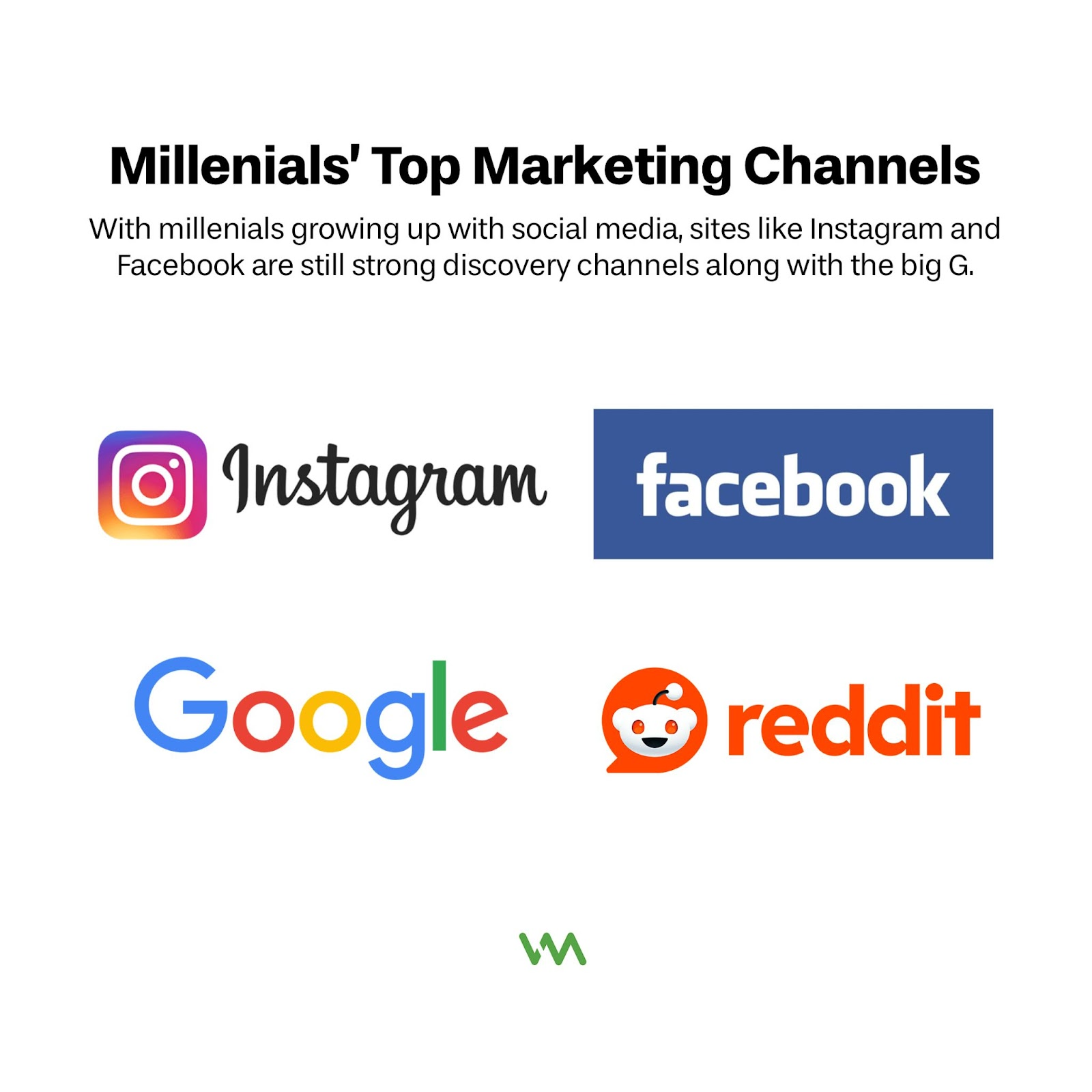
- Instagram - For discovery and inspiration
- Facebook - For community and recommendations
- Google - For validation and comparison
- Reddit - For authentic opinions and community validation
Marketing Strategy for Millennials
Budget Allocation:
- 30% Google Ads and SEO
- 25% Instagram and Facebook advertising
- 20% Email marketing and automation
- 15% Content marketing and blogs
- 10% LinkedIn (for professional services)
Content Strategy:
- Value-Driven: Focus on how your product/service improves their life
- Social Proof: Heavy emphasis on reviews and testimonials
- Omnichannel: Seamless experience across all touchpoints
- Personalization: Use data to create relevant experiences
Practical Tactics:
- Implement robust email marketing with segmentation
- Create detailed buyer guides and comparison content
- Use Facebook and Instagram for retargeting
- Invest in loyalty programs and customer retention
- Optimize for mobile but don't ignore desktop
Measuring Success:
- Email open and click rates
- Social media to website traffic conversion
- Customer lifetime value
- Loyalty program engagement
- Cross-platform attribution
Gen X (Ages 45-60): The Forgotten Opportunity
Their Search Behavior
63% still prefer Google for information, but 84% have a Facebook presence. They're thorough researchers who respond best to transparency and product reviews.
The Big Opportunity: 54% of Gen X consumers feel overlooked by brands, but they show 70% brand loyalty—the highest among all generations.
Key Platforms:
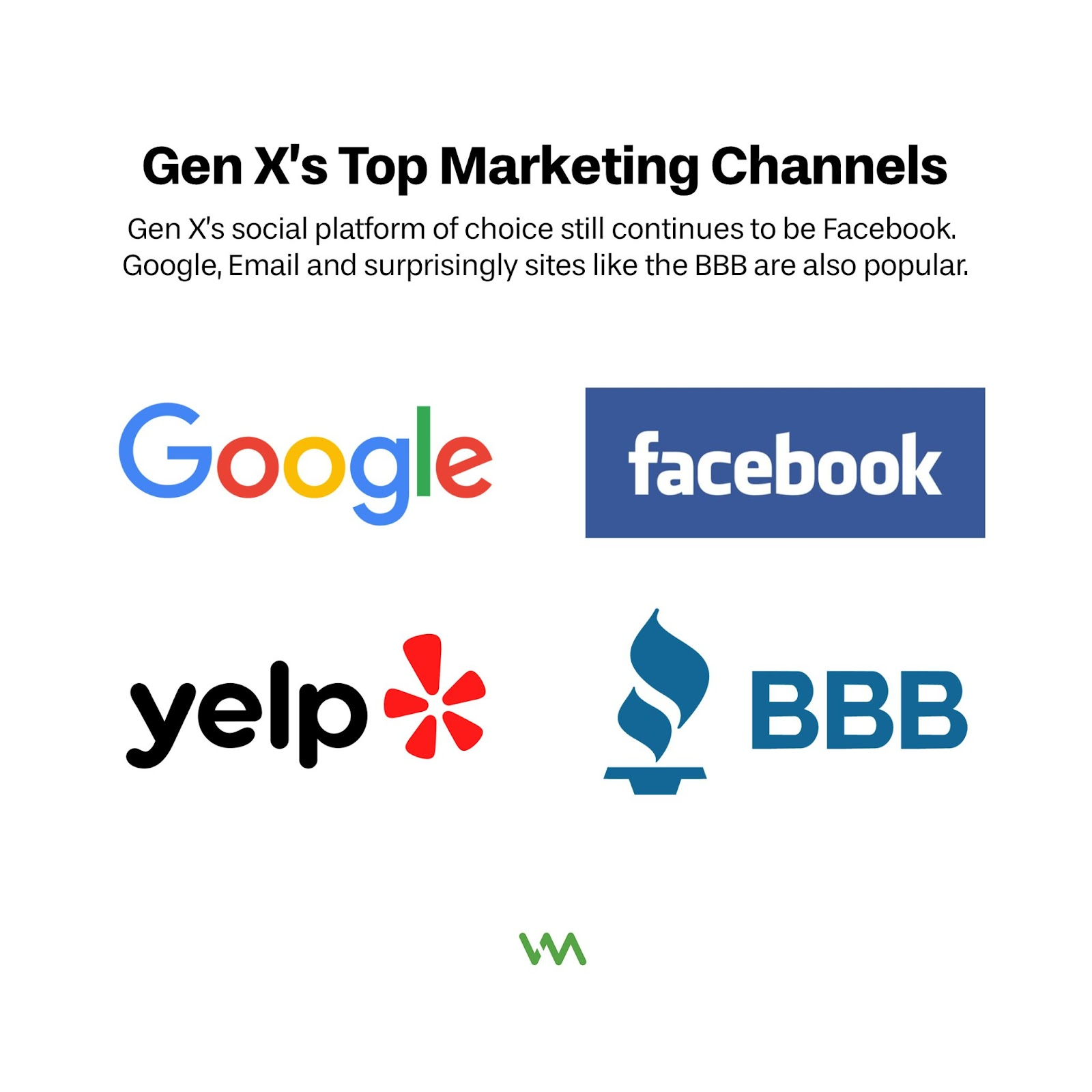
- Google - For research and local searches
- Facebook - For community and customer service
- Email - For detailed information and offers
- Review Sites - Yelp, Better Business Bureau, industry-specific sites
Marketing Strategy for Gen X
Budget Allocation:
- 45% Google Ads and SEO
- 25% Facebook advertising
- 15% Email marketing
- 10% Review platform management
- 5% Traditional media integration
Content Strategy:
- Detail-Oriented: Provide comprehensive information
- Trust-Building: Emphasize credentials, experience, and reviews
- Problem-Solving: Focus on how you solve their specific challenges
- Professional: Polished, credible presentation
Practical Tactics:
- Invest heavily in local SEO and Google My Business
- Create detailed service pages with FAQ sections
- Use Facebook for customer service and community building
- Implement review generation and management strategies
- Offer multiple ways to contact you (phone, email, chat)
Measuring Success:
- Organic search traffic and rankings
- Review quantity and sentiment
- Phone call conversions
- Email marketing performance
- Customer retention rates
Baby Boomers (60+): The Traditional Searchers
Their Search Behavior
94% use search engines for brand discovery and 46% discover new products through online search. 79% of the 55-64 age group remain loyal to Google for local search.
Key Platforms:
- Google - Primary search method
- Facebook - For staying connected and local information
- Traditional Media - TV, radio, print (if budget allows)
- Direct Communication - Phone calls, email
Marketing Strategy for Baby Boomers
Budget Allocation:
- 50% Google Ads and SEO
- 20% Facebook advertising (local focus)
- 15% Email marketing
- 10% Customer service and phone support
- 5% Local directory listings
Content Strategy:
- Clear and Direct: No confusing navigation or complex processes
- Service-Focused: 93% say good customer service leads to future purchases
- Local Emphasis: 67% prefer to purchase at local retailer if available
- Trust Signals: Emphasize experience, credentials, and stability
Practical Tactics:
- Optimize for local "near me" searches
- Make phone numbers prominently displayed
- Simplify website navigation and checkout processes
- Use Facebook for local community engagement
- Maintain consistent NAP (Name, Address, Phone) across all directories
Measuring Success:
- Google Ads click-through and conversion rates
- Phone call volume and conversion
- Local search visibility rankings
- Website accessibility scores
- Customer satisfaction and retention rates
Chapter 4: The Strategic Implementation Framework
Here's how to actually implement these strategies without completely blowing up your current marketing:
Phase 1: Audit and Identify (Month 1)
- Customer Analysis
- Survey your existing customers about how they found you
- Analyze your current traffic sources by age demographic
- Identify your highest-value customer segments
- Current Performance Review
- Audit your current platform performance
- Identify which channels are working for which demographics
- Calculate cost per acquisition by generation (if possible)
- Competitive Analysis
- See where your competitors are active
- Identify gaps in the market for your target generations
- Analyze their content strategies
Phase 2: Test and Learn (Months 2-3)
- Start Small
- Pick one new platform to test based on your target generation
- Allocate 10-20% of your budget to the new channel
- Create platform-specific content
- Measure Everything
- Set up proper tracking for each platform
- Monitor engagement rates, not just reach
- Track the full customer journey from discovery to purchase
- Iterate Quickly
- Adjust content based on performance
- Test different types of content and messaging
- Double down on what works
Phase 3: Scale and Optimize (Months 4-6)
- Budget Reallocation
- Shift budget toward highest-performing channels for your target demographic
- Don't abandon working channels—optimize them
- Consider reducing spending on underperforming platforms
- Advanced Targeting
- Use platform-specific targeting options
- Create lookalike audiences based on your best customers
- Implement retargeting campaigns across platforms
- Cross-Platform Integration
- Ensure messaging consistency across platforms
- Create customer journeys that span multiple touchpoints
- Use email marketing to nurture leads from all sources
Chapter 5: Common Mistakes to Avoid
After analyzing hundreds of campaigns, here are the biggest mistakes we see businesses make:
Mistake #1: Trying to Be Everywhere
The Problem: Spreading budget across too many platforms dilutes effectiveness The Solution: Focus on 2-3 platforms maximum based on your target demographics
Mistake #2: Using the Same Content Across All Platforms
The Problem: What works on Facebook doesn't work on TikTok The Solution: Create platform-native content that fits each audience's expectations
Mistake #3: Ignoring Mobile Experience for Younger Generations
The Problem: 80% of Gen Z use phones for search, but many businesses still optimize for desktop first The Solution: Mobile-first design and testing for all customer touchpoints
Mistake #4: Not Tracking Cross-Generational Performance
The Problem: Looking at overall metrics instead of generational performance The Solution: Segment all reporting by age demographics when possible
Mistake #5: Assuming One Generation's Preferences
The Problem: Thinking all generations search the same way The Solution: Test assumptions with real data from your target audience
Chapter 6: Future-Proofing Your Strategy
The search landscape will continue evolving. Here's how to stay ahead:
Emerging Trends to Watch
AI Search Integration 71.5% of Americans use AI search tools, though only 14% rely on them daily. As our Local SEO & AI Optimization article showed, AI search is already impacting how businesses are discovered.
Social Commerce Evolution In-app purchasing is becoming more sophisticated, with live shopping events and social marketplaces growing rapidly.
Voice Search Maturation
Smart speaker adoption is increasing across all generations, making conversational search queries more common.
Staying Adaptable
- Regular Audits: Review your generational performance quarterly
- Platform Monitoring: Keep track of emerging platforms and user adoption
- Customer Feedback: Regularly survey customers about their search behavior
- Industry Research: Stay updated on generational marketing studies and data
The Bottom Line: Meeting Every Generation Where They Actually Search
Here's what we learned from that HVAC contractor story: success isn't about being on every platform—it's about being on the RIGHT platforms for YOUR customers.
After shifting 30% of his budget from Google to TikTok and Instagram (where his actual customers were searching), his cost per lead dropped by 40% and conversion rates increased by 60%. The lesson? Data beats assumptions every time.
Your Next Steps:
- Audit your current customer base to identify your target generations
- Analyze your current marketing spend against generational preferences
- Test one new platform that aligns with your primary target generation
- Measure generational performance across all your marketing channels
- Reallocate budget based on actual performance data, not industry averages
The search revolution isn't coming—it's here. The businesses that will thrive are those that understand these generational differences and create targeted strategies for each demographic.
Whether your customers are discovering you through TikTok videos, Google searches, or Facebook recommendations, success comes from being visible where they're actually looking, not where you think they should be looking.
The question isn't whether search behavior has changed—it's whether your marketing strategy has kept up.
